If you live under an HOA along the Grand Strand, your roof is never only a roof. It is a visible part of the neighborhood’s brand, a line item in your covenants, and, when it starts streaking black, a letter from the board waiting in your mailbox. Add coastal humidity, salt in the air, and our generous sun, and you have a perfect recipe for algae, lichen, and mildew to take hold. Keeping on top of Roof Cleaning in Myrtle Beach is as much about community compliance as curb appeal, and the way you clean matters.
Soft wash roof cleaning, not pressure washing, is the standard that fits our climate, shingle warranties, and most HOA rules. I have worked with boards, community managers, and homeowners from Market Common to Barefoot over many seasons. The communities vary, but one theme repeats: residents get in trouble when they treat Roof Washing like a quick rinse job, or when they call a contractor who does not understand HOA compliance. The fix is straightforward, and it starts with understanding the process, the rules behind it, and how to schedule the work so you avoid fines, damage, or tense conversations with a compliance committee.
Why Myrtle Beach roofs streak, and why HOAs care
The black staining most visible on asphalt shingle roofs in our area comes from a hardy cyanobacteria called Gloeocapsa magma. It spreads as spores, thrives in humidity, and darkens as it matures. The growth usually starts on the north and east slopes, where morning shade and dew linger. Mildew and light moss take advantage of the same conditions. On metal and tile roofs, you may also see salt film bonding with organic grime, which bakes in under summer heat.
Streaking is more than cosmetic. Darkened shingles absorb more heat, which can push attic temperatures higher and degrade shingles faster. Lichen and moss hold moisture against the roof surface, which shortens lifespan. HOAs write maintenance standards into their CC&Rs to protect values and maintain a uniform look. Many covenants cite “free of staining or biological growth” in their exterior maintenance clauses, often with compliance windows measured in weeks. Fines can be daily. In Horry County, I have seen boards assess $25 to $100 per day for non-compliance after a final notice. That is a frustrating way to spend money when a proper soft wash would have eliminated the issue.
The soft wash approach, and why pressure is not your friend
Soft washing is not a brand name. It describes a method: apply a cleaning solution at low pressure, let chemistry do the work, and rinse gently if the manufacturer allows it. With asphalt shingles, high pressure strips the protective granules, which can void warranties and shorten roof life. Most major shingle manufacturers refer back to the Asphalt Roofing Manufacturers Association (ARMA) guidance that calls for a bleach-based cleaning solution applied with low pressure, not a blast from a pressure wand.
For Myrtle Beach conditions, an effective soft wash mix relies on sodium hypochlorite, water, and a surfactant to help the solution cling. On asphalt shingles, solution strength at the roof surface typically lands in the 0.5 to 1 percent sodium hypochlorite range for algae, sometimes up to 2 percent for stubborn lichen. Tile and metal may tolerate stronger solutions, but you do not need to push it if dwell time and technique are dialed in. The work happens on a calm day, with temperatures between roughly 50 and 90 degrees, and without blazing mid-afternoon sun. If the wind is over 15 miles per hour, overspray becomes a real risk to neighbors’ cars, stucco, and landscape beds.
The most important thing to understand is that soft wash is a process, not a product. I have seen contractors with shiny trucks get everything wrong: no property protection, no plan for runoff, and a pressure tip in their hand. HOAs notice, and neighbors call the manager when drift hits the hydrangeas.
Where HOA rules usually land, and where they differ
Every set of covenants reads a little differently, but most Myrtle Beach HOAs follow similar patterns. You will find:
- A general duty to keep roofing clean and in good repair, often citing “free of staining, mold, and mildew.” A statement that exterior alterations need ARC or ACC approval. Routine maintenance like Roof Cleaning is typically allowed without a full application, but that line can blur if you are switching roof color, replacing a section of shingles, or staging equipment in common areas. Quiet hours and contractor work hours. I see a lot of 8 a.m. To 6 p.m. Weekdays, with Saturday mornings allowed in some communities and Sundays prohibited. Pressure washers scream. A soft wash pump runs quieter, which helps. Protection requirements for common areas. If you need to cross HOA turf with hoses or set a ladder at a common fence line, expect to coordinate. Proof requirements for vendors: insurance certificates, business license, sometimes workers’ compensation and a hold-harmless agreement naming the HOA and management company.
The gotchas come from enforcement culture. Some boards only cite when neighbors complain. Others patrol monthly and send form letters. A few coastal communities write in strict timelines, like “Correct within 14 days of notice.” If you need ARC approval for any part of the job staging, that two-week clock can get tight. But there is a playbook that keeps everyone happy.
A homeowner’s quick-start compliance checklist
- Read your CC&Rs and the Rules and Regulations for the sections on exterior maintenance, vendor access, and work hours. Flag any ARC references. Email the manager with your intended date and contractor info. Attach insurance certificates and a simple scope note describing soft wash roof cleaning and runoff protection. Walk the property with your contractor to identify downspouts, drains, delicate plantings, and any common areas they might need to cross. Ask the contractor to confirm solution strengths, runoff handling, and shingle-safe methods in writing. Keep that email with your records. Notify your immediate neighbors 48 hours ahead, especially in townhome clusters or zero-lot-line homes where overspray risk is higher.
What “compliant soft wash” looks like on site
I tell homeowners to look for three things before the first hose uncoils: property protection, solution management, and roof-safe access. If you see any of the following missing pieces, slow the start and ask questions.
Property protection means pre-wetting landscaping and hardscape, covering delicate plants with breathable tarps or lightweight poly, and bagging downspouts or redirecting them to turf or mulch beds where solution can neutralize. Window rinses before and after prevent spotting. Outdoor furniture gets moved, not sprayed around. Cars stay covered or are moved off-site. In dense Myrtle Beach communities with driveways that nearly touch, that detail matters.
Solution management is where many jobs go sideways. Bleach works because it oxidizes organic growth. It also can scorch leaves. Responsible contractors in Horry County keep sodium hypochlorite on the roof surface as much as possible, limit overspray by watching wind, and control where the spent solution goes. That includes catching first flush from gutters in bags, using splash blocks to disperse, and keeping discharge out of storm drains. South Carolina’s Department of Health and Environmental Control treats storm drains as direct lines to waterways. Discharging cleaning solutions to storm systems can trigger enforcement under stormwater rules tied to the Clean Water Act. Roof Cleaning Myrtle Beach can be both effective and compliant if you keep runoff on the lawn, water it down, and neutralize stubborn puddles with a sodium thiosulfate product when necessary.
Roof-safe access means no walking brittle ridges, no dragging hoses over ridge caps, and no pressure tips near shingles. OSHA fall protection rules apply to contractors, not homeowners, but you want a vendor that respects them. Permanent anchors are rare on residential roofs, so look for rope and harness use on steep pitches, standoff ladder stabilizers, and a spotter. If a tech climbs up with a pressure gun and a turbo nozzle, you can assume the rest of the day will not meet your HOA’s expectations.
The chemistry, tuned for our coast
Chlorine smells scare people, largely because of bad experiences with house washing where strong mix drifts through a screen porch. A well-run soft wash uses only as much oxidizer as needed, applies it precisely, and keeps the reaction at the roof surface. Here is how a Myrtle Beach roof usually plays out:
- Asphalt shingles with black algae: a 0.5 to 1 percent sodium hypochlorite solution at the surface, plus a surfactant for cling and slow drying. Dwell for 10 to 20 minutes, keep it damp so it stays active, then let the sun finish the job. Rinsing is optional per ARMA, but I like a light rinse on the gutters and eaves for optics and to carry away residue. Lichen and moss on shaded slopes: spot applications up to about 2 percent at the surface, with gentle agitation from a soft brush only on the lichen body, not a scrub on the shingle. Dead lichen releases over weeks, not minutes. Any contractor promising total removal in one visit is overselling it, which often means they will bring too much pressure. Metal and tile: these handle stronger solutions if needed, in the 1 to 3 percent range, again watching dwell and runoff. Tile can collect solution in valleys, so rinsing and neutralization matter more.
Surfactants are not all equal. Quality roof soaps reduce surface tension, slow the run, and add a light foaming action so you can see where you have been. If the crew is using a household dish soap at high ratios, you will smell it, and you will see slick walkways. That does not mean they are doing it wrong, but it suggests a less controlled process.
Soft wash versus pressure: the short comparison HOAs ask for
- Warranty and material safety: Soft wash preserves granules and aligns with ARMA guidance. Pressure can strip shingles and void warranties. Visual results: Soft wash kills growth at the root, so stains fade over hours and days. Pressure removes surface discoloration fast, but growth can return quickly because roots remain. Neighbor impact: Soft wash pumps are quieter and easier to schedule within work-hour rules. Pressure rigs run loud and long. Environmental control: Soft wash requires deliberate runoff management. Pressure often uses only water but can still drive contaminants into storm drains and damage landscaping with the force alone.
If your HOA wants a one-paragraph justification, that list, rewritten in sentence form, satisfies most committees.
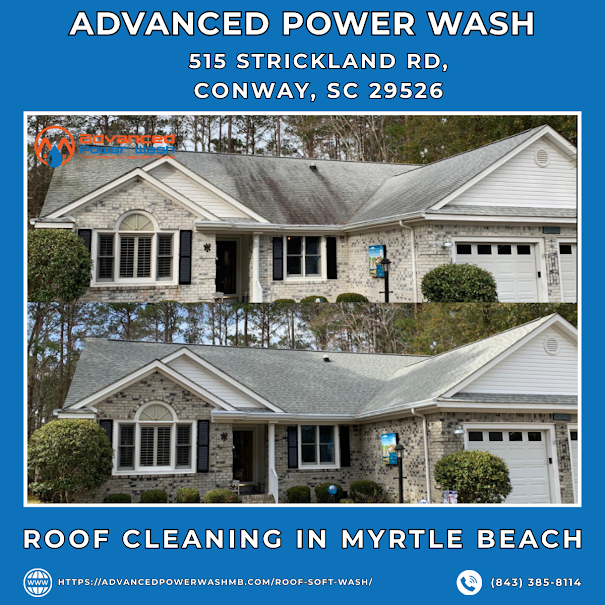
What boards and managers want to see from you
Boards do not want to be roof cleaning experts. They want to know that you are handling maintenance with care and without creating headaches for neighbors. When I worked with a townhome association near Carolina Forest, residents started stacking up violation letters for roof streaks. The board paused the fines for thirty days and gave residents a compliance guide with pre-approved vendor criteria. Fines dropped to near zero, not because roofs stopped staining, but because the process became predictable.
You can give your HOA that same predictability with a short email that covers:
- Contractor credentials. Attach a certificate of insurance and the business license. If the community requires a vendor addendum or acknowledgment, ask for it early. Scope of work. Spell out “soft wash roof cleaning with sodium hypochlorite solution, low pressure application, landscaping protection, and runoff management to keep discharge out of storm drains.” Dates and hours. Pick a window and state you will reschedule if winds exceed a safe threshold or if rain threatens to wash solution into drains. Access plan. Note ladder placement and any need to cross common turf. Offer to place cones and protection. Contact on site. Give the crew lead’s name and mobile number.
Some HOAs ask residents to submit an ARC request even for maintenance if staging affects a common element. If that is your community, write one or two clear sentences for the form: “Homeowner requests approval to perform soft wash roof cleaning using manufacturer-recommended low-pressure methods. Contractor will protect landscaping, divert and neutralize runoff to prevent discharge into storm drains, and work within community hours.” That language has cleared countless desks.
Cost ranges and what drives them in Myrtle Beach
Residents often compare notes and wonder why their neighbor paid less. A typical single-story home from 1,500 to 2,000 square feet of living area, with a standard architectural shingle roof, usually lands between about $250 and $600 for Roof Washing Myrtle Beach, depending on pitch, access, number of valleys, and how much biological growth you have. Larger or steeper roofs, tile roofs, or townhome buildings with shared gutters can push the price to the $600 to $1,200 range per building. Market prices also shift in spring when everyone prepares for HOA compliance Roof Washing season.
If a quote is far lower, ask why. Sometimes you are looking at a house-wash promo, not a roof job. Sometimes it is a pressure wash masquerading as Roof Cleaning. A safe, insured crew that bags downspouts, posts cones, and carries pollution liability will not be the cheapest, but they tend to be the ones your manager will recognize and wave through the gate.
Scheduling around weather, neighbors, and hurricane season
Soft wash is weather work. Onshore breezes off the Atlantic can look calm from your front stoop and then gust just enough at the ridge to push mist over a fence. I keep a handheld anemometer in the truck, but you do not need an instrument to know if the maple leaves are fluttering. If the job is scheduled for a breezy day, push it twenty-four hours. Your plants and your neighbor’s golf cart will thank you.
Rain matters in two ways. A light sprinkle after the solution has dwelled can help rinse. A downpour during application wastes solution and drives chlorinated water toward drains. We avoid those days. Through hurricane season, especially September, flexibility is your friend. HOAs understand rescheduling for storms, and it is better for compliance to call ahead and ask for a few extra days than to rush a job between feeder bands.
Hour-by-hour, the best roof cleaning window in Myrtle Beach is mid-morning to early afternoon. Early morning dew can dilute solution or make the roof slick. Late afternoon sun bakes roofs and dries mix too fast. If your HOA has narrow work hours, pick a weekday that leans sunny with low wind and go on the first day of that stretch.
Environmental and safety notes that matter to HOAs
Everyone wants a clean roof. Nobody wants to smell bleach two streets over or see a crew stepping from balcony to balcony. A few operational details go a long way:
- Neutralizers and freshwater. Crews should keep a dedicated neutralizer, usually sodium thiosulfate, to treat concentrated spills. They also need a constant water supply for pre- and post-rinses. Are they using your spigot or their tank? Either works if the plan is clear. Storm drain respect. Horry County and the City of Myrtle Beach take stormwater rules seriously. The high-level rule is simple: do not let solution enter the storm system. Bag downspouts on hard-surface discharge points, redirect to turf, and flood-rinse hardscape until chlorine odor dissipates. Fall protection. OSHA 1926.501 is not HOA law, but it is a standard for safe work on roofs. When crews treat a 10:12 pitch without any form of tie-off or staging, managers take notice. Safe access also protects shingles and gutters from accidental damage. Ladder etiquette. Ladder standoffs avoid crushing gutters and keep the ladder planted. Place on solid, level ground. Cones or a helper at the foot prevent wandering kids from trying a climb.
I once watched a tech near Surfside set a ladder foot in a mulch bed on a slope, then shoot a roof line over a garage. The ladder walked three inches as he climbed. The homeowner did not see it. The neighbor did. A two-minute reset on the driveway with a stabilizer would have avoided a call to the board.
What happens after the wash
Soft wash does not always look perfect the second the crew pulls away. Dead algae stains fade over hours as sun oxidizes the residue. Lichen bodies bleach white and release slowly over several weeks. I tell homeowners to take photos the day of service, then again a week later. If there are stubborn shadowy areas, a reputable contractor will schedule a light touch-up, usually without charge.
Your HOA’s compliance inspector will likely drive by within a week of your stated service date. If you have a notice on the door, send the manager the invoice and a quick photo set. That keeps your file clean and stops automated follow-ups.
To slow the return of growth, consider copper or zinc strips near ridge lines. Rain carries ions down the roof surface that inhibit algae. The effect is modest but real. It works best on new or recently cleaned roofs. If you add strips, that is an alteration, so submit an ARC request with a cut sheet and color notes. Most boards approve them if they are discreet and match the roof Learn here profile.
When a roof should not be cleaned
Not every stained roof wants a wash. A roof with significant granule loss, curling tabs, soft decking, or active leaks needs repair or replacement. If the algae hides age-related wear, cleaning can reveal it. A good crew will flag concerns before spraying. If the roof is past its service life, put your money toward the replacement and work with ARC on color and material approvals. Many HOAs list approved shingle lines by brand and color family. A mismatch can delay the project, so do not order materials until the board signs off.
Picking a contractor the HOA will not fight you on
You do not need a long vendor short list. You need one or two companies that show they understand Roof Washing Myrtle Beach is a different animal than washing siding three states inland. When I screen a new contractor for a neighborhood, the questions are simple:
- What solution strengths do you use on asphalt shingles, and how do you control dwell time on a 90-degree day? How do you keep runoff out of storm drains? Do you bag downspouts, and how do you protect landscaping? Are you insured for general liability, workers’ compensation, and, ideally, pollution liability? Can I have a cell for your on-site lead and a one-page scope for the manager?
If the answers come back vague, look elsewhere. The crews who do this work well will talk in calm, direct sentences about flow rates, wind, and plant protection. They will be proud of how quiet their rigs run. They will not promise that lichen disappears the same day.
A short story from a neighborhood that figured it out
Several years ago, a board president in a golf course community north of town called about a string of violation letters that had gone sour. Residents felt targeted, the manager was frustrated, and a handful of DIY pressure washers were looming on ladders. We met on a Tuesday, walked three streets, and built a simple plan.
The board sent a friendly, specific letter with a six-week window. The letter explained soft wash, listed two vetted vendors, and gave the exact email to send scheduling confirmations. We offered residents a Saturday morning slot for on-site questions with one of the contractors. Within a month, seventy percent of the streaked roofs were clean. The remaining letters were handled case by case, with the board extending for weather or repairs. The tone of the community shifted, because people felt guided rather than punished. That is how compliance should work.
Final thoughts that help you avoid missteps
Roof Cleaning Myrtle Beach sits at the intersection of maintenance, community standards, and environmental care. The method is straightforward: Soft Wash Roof Cleaning with low pressure, the right chemistry, and careful handling of your property and your neighbors’. The rules are not mysterious. Read your covenants, bring your manager into the loop before hoses hit the shingles, and pick a contractor who can talk through runoff and work hours without flinching.
If you approach Roof Washing as a polite neighbor with a plan, the board rarely needs to be a referee. Your roof will cool a touch, your house will pop again in listing photos, and your mailbox will be free of violation letters, which is the best kind of quiet on a coastal afternoon.